
Articles
Riding in cold weather and rain: when to go, when to turn back
It can be mild in town and miserable on the pass. How to plan an autumn ride, keep control and recognise when it's time to change the plan.
 fruskate
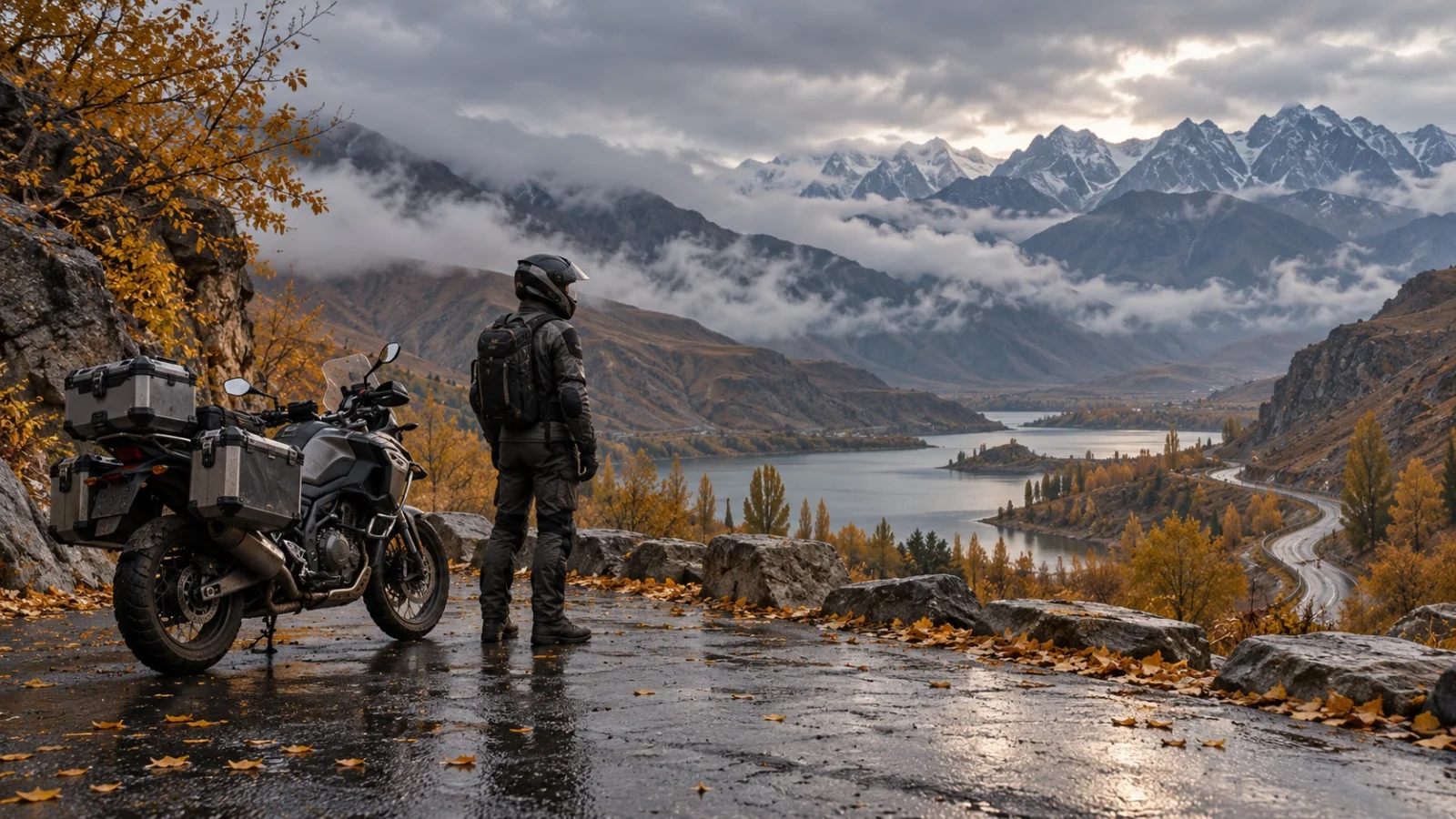
Town still feels warm enough. Higher up, the road is wet and the temperature drops. Or you leave in sunshine and ride home in rain. Autumn has a way of changing a familiar route halfway through the day.
Prepare for the whole ride, including the return. Neither a +5 °C reading nor good wet-weather tyres guarantees safe conditions. Surface, visibility, altitude, forecast, equipment and how you feel all matter.
Make turning back an option
Check the forecast along the route and for the times you'll be there. Identify somewhere to warm up, refuel or shorten the ride. Leaving no daylight margin can make the last hour much harder than expected.
Check tyres, brakes, lights and controls before setting off. Set tyre pressures cold to your bike's recommendation; lower pressure won't fix worn or unsuitable rubber.
With a group, agree on pace, stops and cancellation beforehand. Anyone who is cold or uncomfortable should be able to say so without having to prove they can keep going.
Warm kit still has to let you ride
Keep proper protective gear, then add insulation and a waterproof outer layer. Try the controls in your gloves before leaving. Thick gloves aren't much help if they make braking awkward.
Pay attention to the neck, wrists and waist, where water gets in. Clean the visor and check ventilation. Heated equipment is useful when the charging system can support it, but it doesn't replace rest stops. Honda's winter riding advice covers clothing layers and staying visible.
Give yourself time on a wet road
Leave more following distance, slow earlier and use smooth throttle, brake and steering inputs. Choose a speed that lets you stop within the clear road you can see, allowing for available grip.
Wet leaves, painted markings, metal covers, mud and spills deserve attention. Find a cleaner line early, while you can change course gently. Michelin's autumn advice also stresses avoiding abrupt inputs on contaminated surfaces.
Ride the opening kilometres moderately. Aggressive weaving on public roads doesn't guarantee warm tyres. Don't adopt a blanket “rear brake only in rain” rule; use the braking skills you've learned and your bike's guidance. ABS and traction control can help within their limits, but they can't create grip on ice.
Recognise the point to stop
Numb fingers, late reactions or a visor you can't clear are reasons to find a safe place off the traffic lane. Snow, signs of ice, worsening visibility or water hiding the surface are reasons to rethink the route. Shaded sections, bridges and passes may be worse than the weather in town suggests.
Warm up and reassess. Turn back or postpone if needed. Speeding up to get home sooner is a poor response when cold may already be affecting your reactions.
Use the group's agreed stopping and regrouping plan; our group riding guide still applies in autumn. Find company that suits your pace in MotoASIA. Sometimes the right end to a ride is an early stop for something hot to drink.